Muck away explained: soil classification, WAC testing and what drives the cost
You’ve hit something you weren’t expecting in the ground. Here’s what happens next, in plain English – what the classifications actually mean, when you need testing, and why two lorry loads of soil can cost wildly different amounts to move.
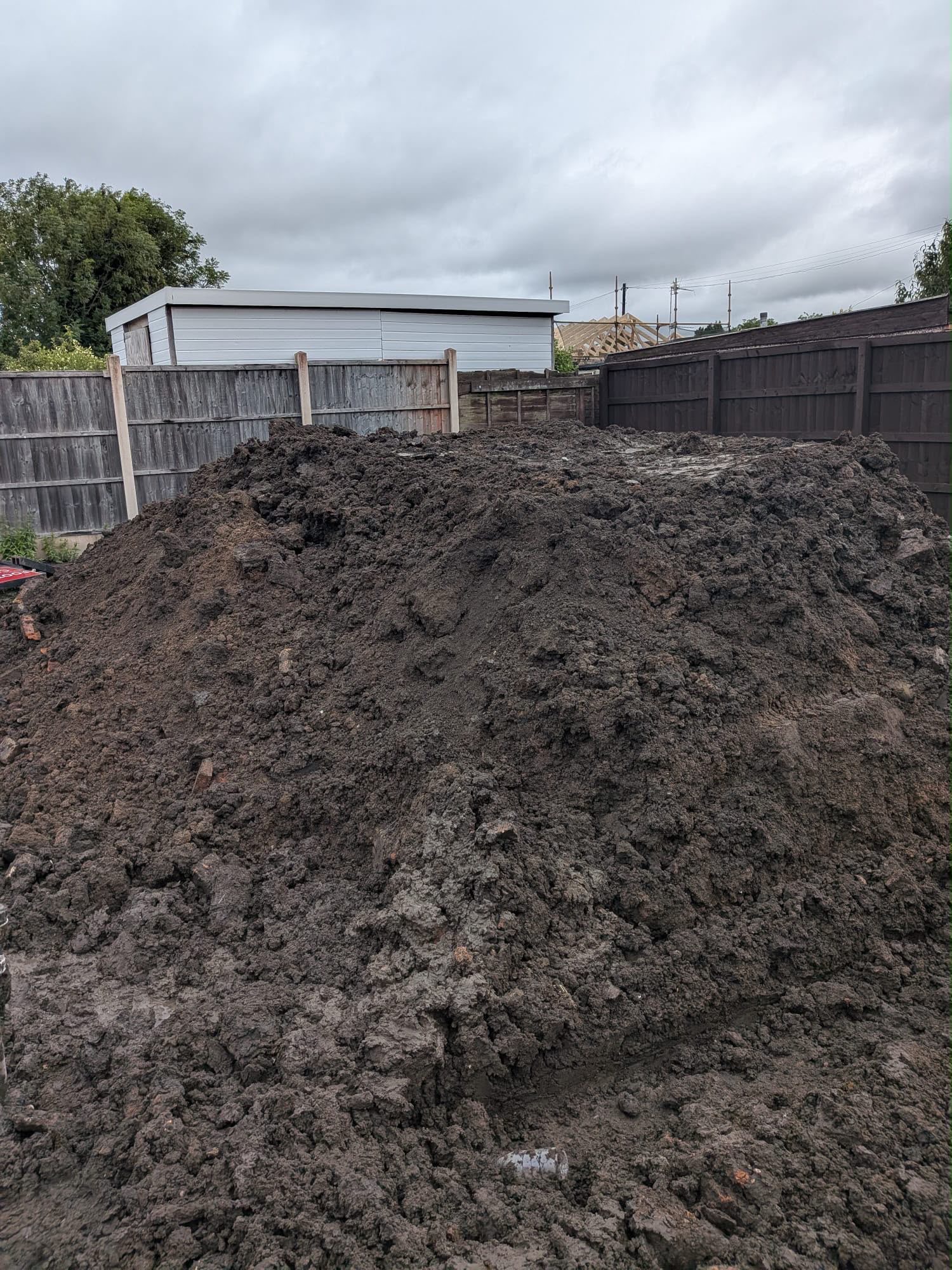
Muck away sounds simple: dig it, load it, take it away. And when the ground is clean, it more or less is. But the moment there’s a whiff of something in the spoil – a sheen, a smell, a colour that isn’t right, or just a site history that makes you nervous – it stops being a haulage job and becomes a compliance one.
Get that wrong and it’s expensive. Loads get turned away at the gate. Programmes slip. And the duty of care sits with you, not the bloke driving the lorry.
This is a plain-English guide to how it actually works.
What muck away actually covers
“Muck away” is the removal of excavated material from site – soil, clay, subsoil, hardcore, mixed spoil – and its disposal at a facility that’s licensed to accept it. That last part is the bit that matters. Anyone can move soil. The question is whether the place it ends up is legally allowed to take it, and whether you’ve got the paperwork to prove it.
The material typically leaves site by grab lorry or tipper, depending on access and volume. But before anything moves, the material needs a classification.
The three classifications, in plain English
Every load of excavated material falls into one of three buckets. Which bucket it’s in determines where it can go – and what it costs you.
Clean, unreactive material – natural subsoil, clay, stone, concrete, brick. It won’t break down, dissolve or leach anything nasty. It goes to inert landfill or, better, to a recycling facility where it’s processed back into secondary aggregate.
Material that’s contaminated, but not badly enough to be classified as hazardous. Common on brownfield and made ground – old fill, mixed arisings, low-level impacted soil. It needs a permitted non-hazardous facility, which costs more per tonne than inert.
Material where contaminant levels exceed the hazardous thresholds – heavy metals, hydrocarbons, asbestos, chemical residues. It has to go to a facility specifically permitted for hazardous waste, and it moves under a consignment note. This is where costs climb steeply.
Here’s the thing most people don’t realise: the same-looking pile of muck can fall into any of those three categories. You cannot tell by eye. Which brings us to testing.
What WAC testing is, and when you need it
WAC stands for Waste Acceptance Criteria. It’s the set of thresholds a landfill or treatment facility uses to decide whether it can legally accept your material.
A WAC test is a laboratory analysis of a representative sample of your soil. It measures what’s actually in the material and, crucially, what would leach out of it. The results tell you which classification the soil falls into, and therefore which facilities can take it.
When you need it
- Any brownfield or previously developed site
- Made ground or historic fill of unknown origin
- Anywhere with a former industrial, fuel, chemical or landfill use
- When the material looks, smells or behaves oddly – a sheen, a solvent smell, unusual staining
- When a receiving facility asks for it (many will not take a load without one)
When you probably don’t
- Clean, natural, undisturbed subsoil or clay from a greenfield site with no contamination history
The false economy to avoid: skipping testing to save a few hundred pounds, then having loads rejected at the gate, re-handled, re-tested and re-routed. A rejected load doesn’t just cost the tip fee – it costs the haulage, the delay, and the disruption to your dig. Testing up front is almost always the cheaper path.
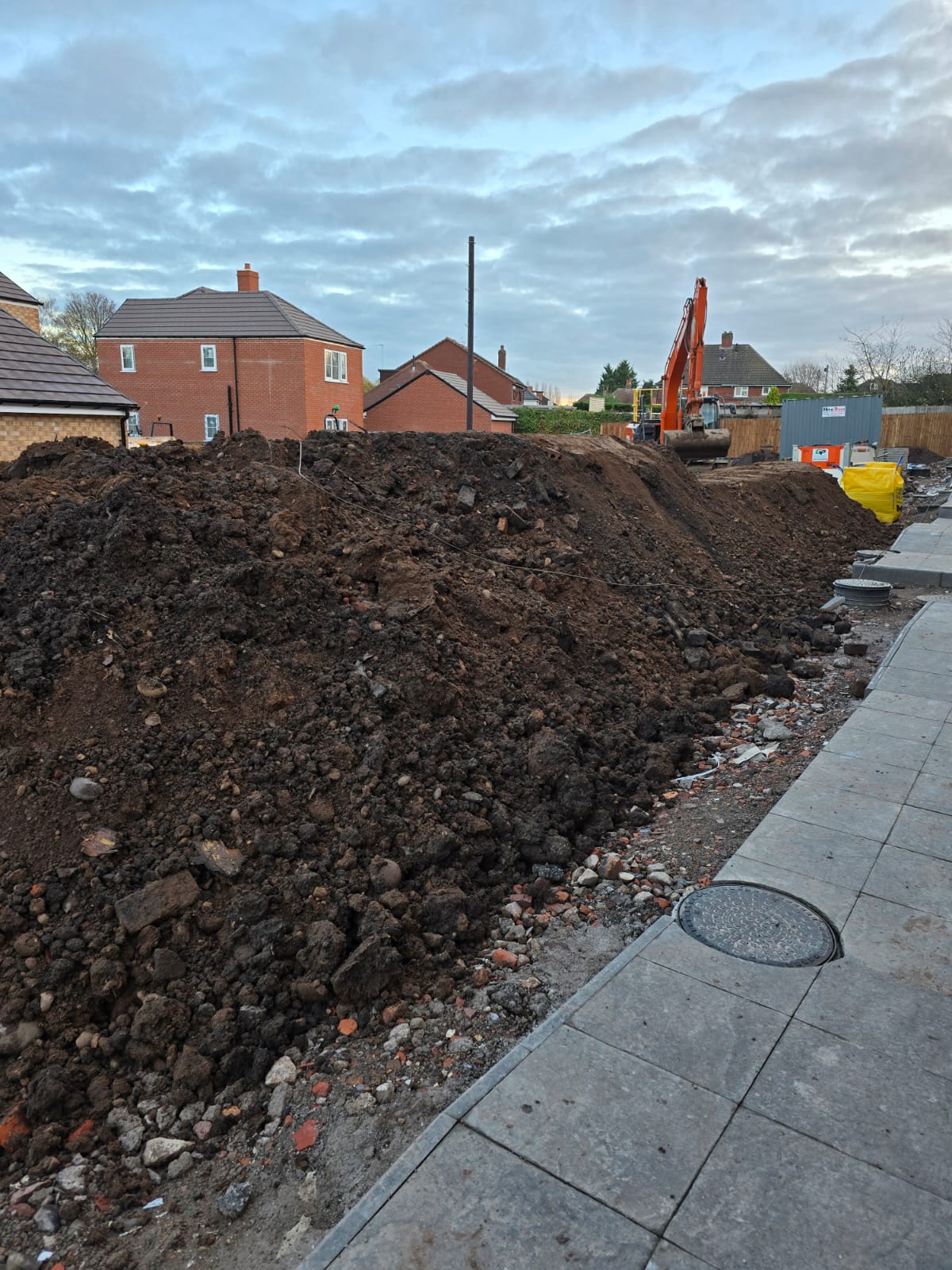
What actually drives the cost
Contractors are often surprised that two apparently similar jobs are priced very differently. Four things move the number:
1. Classification
By far the biggest factor. Gate fees rise sharply from inert to non-hazardous to hazardous. Getting the classification right – and not over-classifying out of caution – is where real money is saved.
2. Haulage distance
Not to the nearest tip – to the nearest tip that’s licensed to take your material. Hazardous facilities are far thinner on the ground than inert ones, so a hazardous classification can mean a much longer round trip.
3. Volume and access
Whether it’s a grab lorry squeezing into a tight urban plot or bulk artics running off an open site changes the cost per tonne considerably.
4. Backloading
This one’s within your control. If you’re taking muck out and bringing aggregate in, running both on the same vehicle movement cuts your haulage bill significantly. It’s one of the simplest savings available on a groundworks job, and it’s routinely missed.
What to do the moment you suspect contamination
- Stop moving the material. Don’t mix suspect spoil with clean arisings – you’ll turn a small problem into a large one by contaminating the whole stockpile.
- Segregate and cover it. Keep it separate, keep it contained, keep rainwater out of it.
- Get it sampled and tested. Representative sampling, WAC analysis, proper classification.
- Don’t guess. Assuming it’s fine risks an illegal deposit; assuming the worst risks paying hazardous rates for non-hazardous soil.
- Keep the paperwork. Waste transfer notes on everything; consignment notes where the material is hazardous.
How we handle it
We take the whole thing off your hands – sampling, WAC testing, classification, and disposal at a facility that’s licensed for the material and priced competitively for it. Because we’re independent and source across a network of licensed operators, we’re not routing your muck to whichever tip we happen to own. We route it to the one that’s right and the one that’s cheapest for that classification.
You get one point of contact, one set of paperwork, and a full audit trail – and your programme keeps moving.
More detail on our muck away and grab hire and contaminated soil disposal services.
Hit something you weren’t expecting?
Tell us what you’ve found and where the site is – we’ll arrange the testing, sort the classification and get it moved legally.