
80 loads out, 20,000 tonnes in, five days early.
A demolition site in Coventry with contaminated ground, a three-week deadline and a serious volume of capping material to source. Here's how it went.
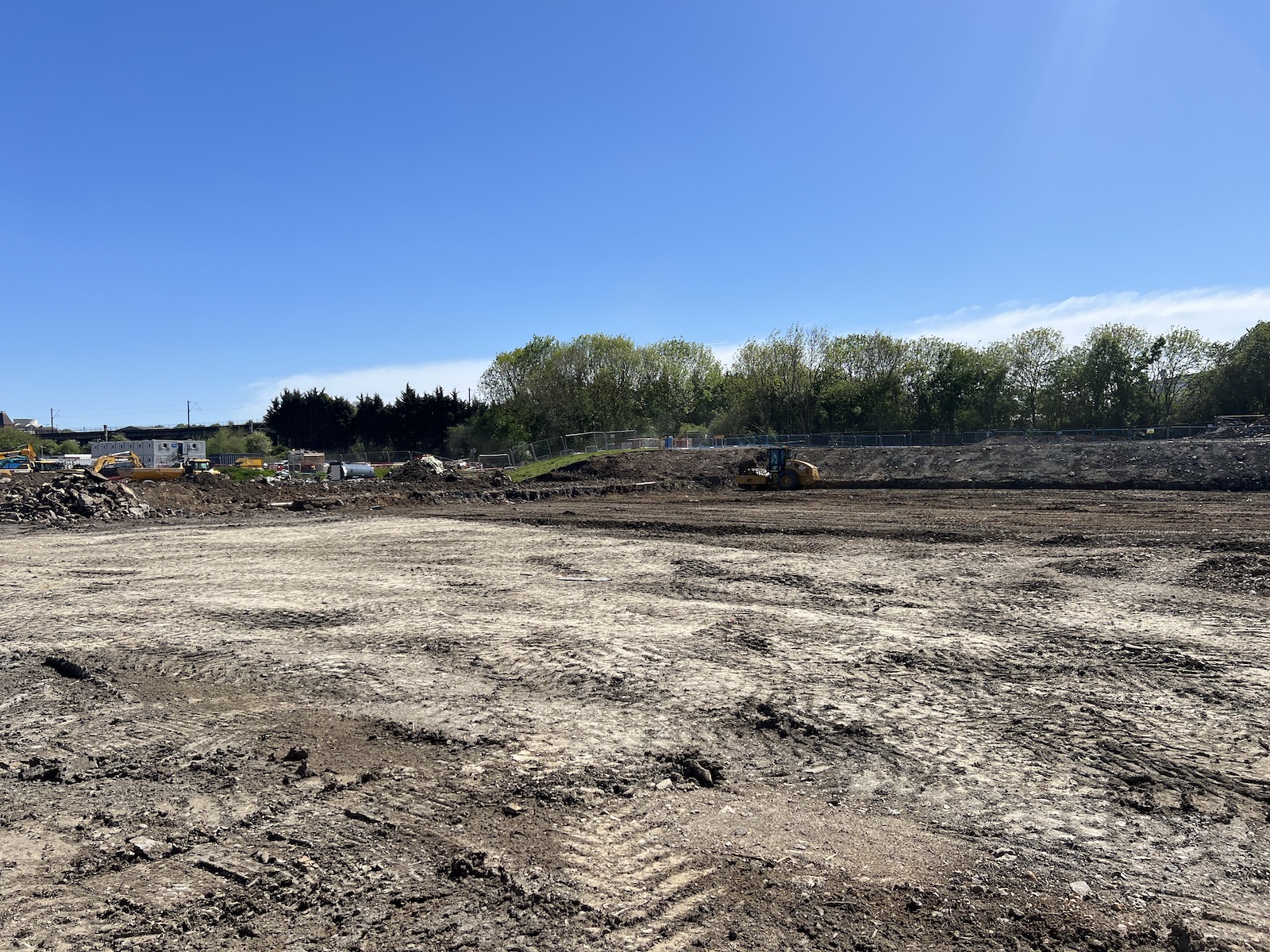
Strip a contaminated demolition site, then rebuild the ground
A large demolition site in Coventry needed clearing down to formation and building back up with capping material – on a three-week programme. Two things made it awkward: the ground was old and contaminated, and the volume of material coming back in was substantial. Get either part wrong and the programme slips.
Old ground, and not all of it clean
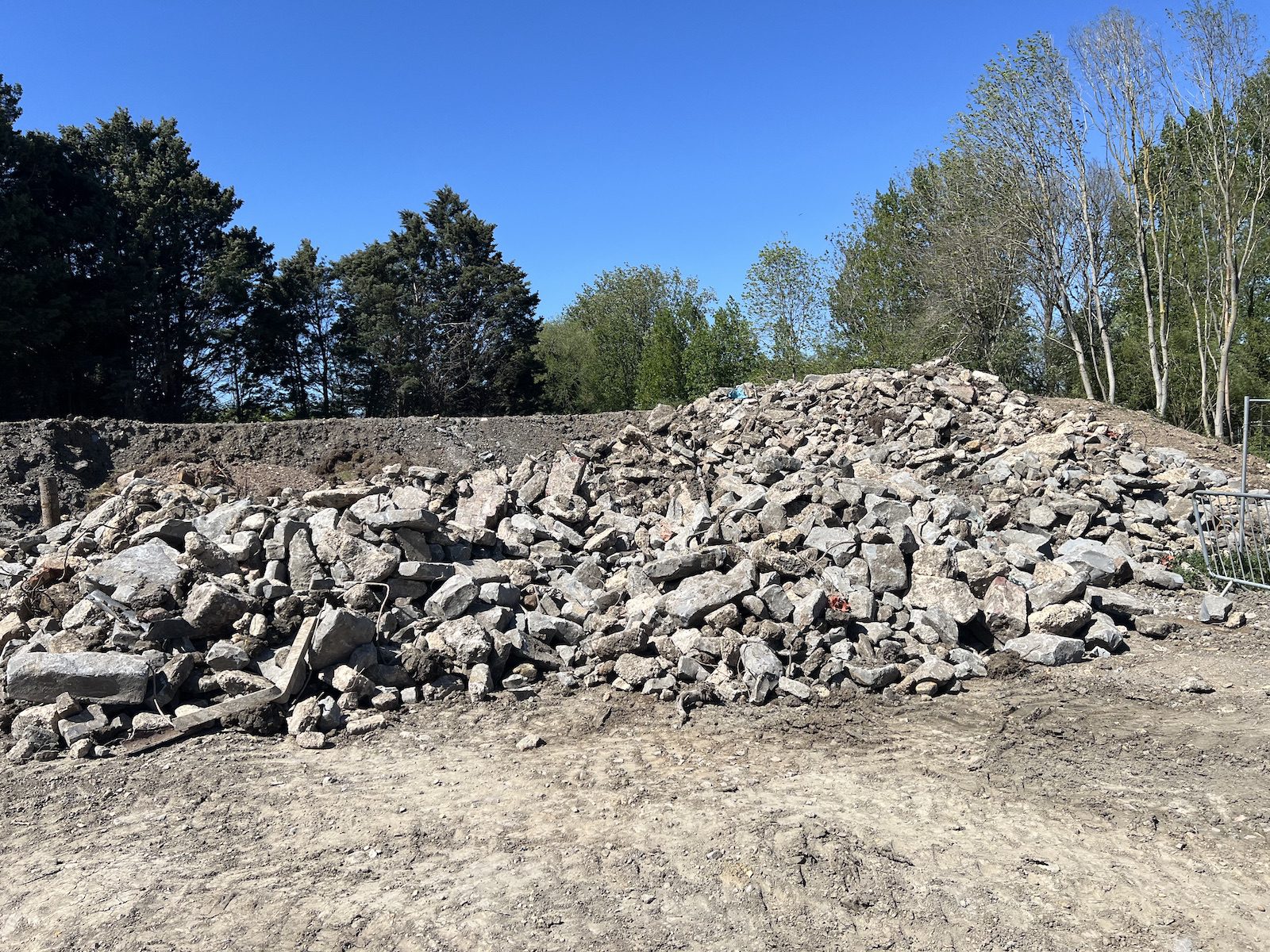
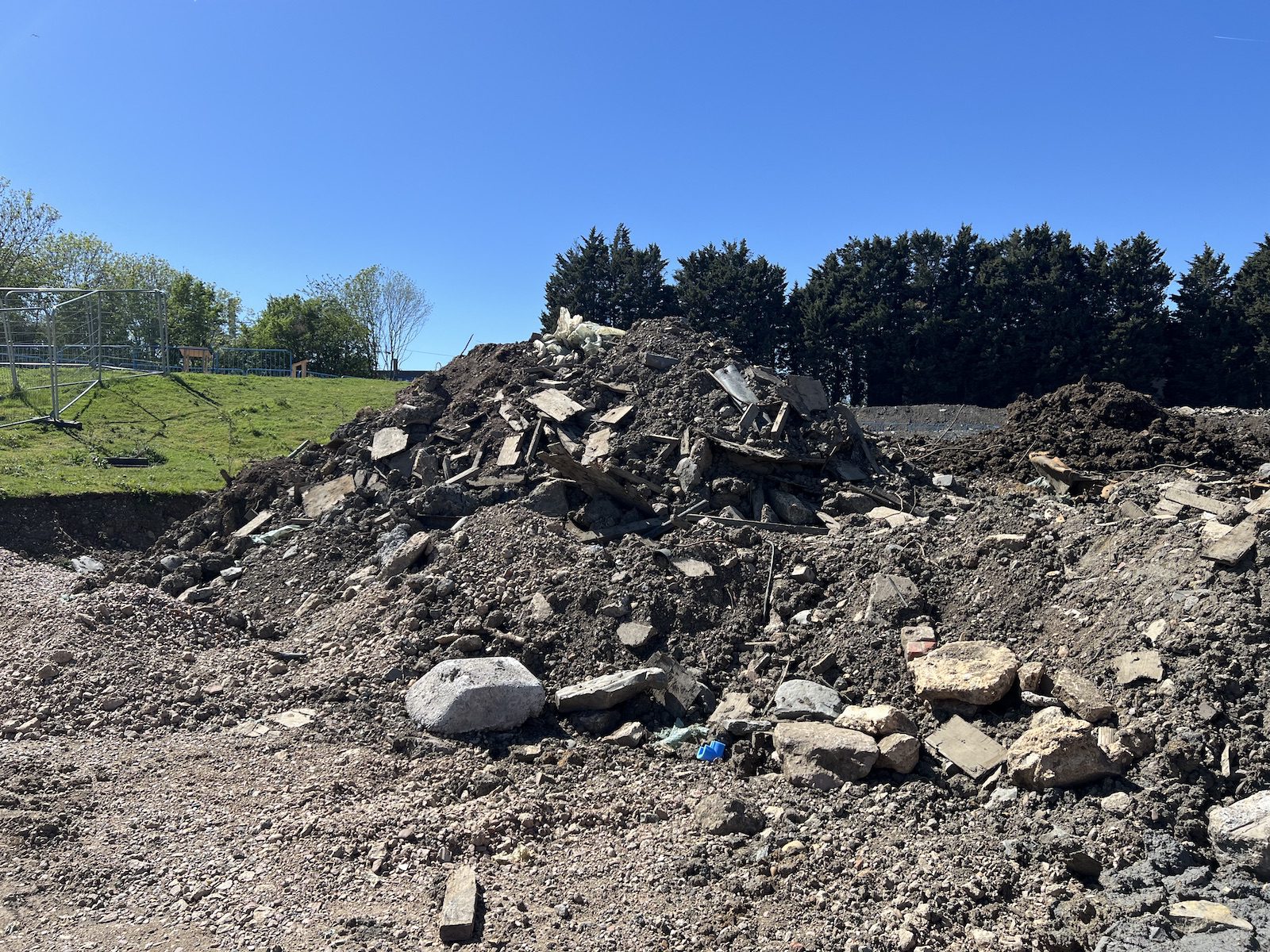
Demolition arisings on a site like this are never one thing. We took out 80 loads of hardcore that could go straight for crushing and recycling – but 20 loads came out contaminated, and another 30 were mixed soil and waste tangled up with old services, timber and rebar.
That mixed, contaminated material is exactly the stream most operators won't take, and the one that stops a job dead if you haven't got a route for it. We tested it, classified it and placed each load with a facility licensed to accept it – so the dig never had to pause while somebody worked out where it could legally go.
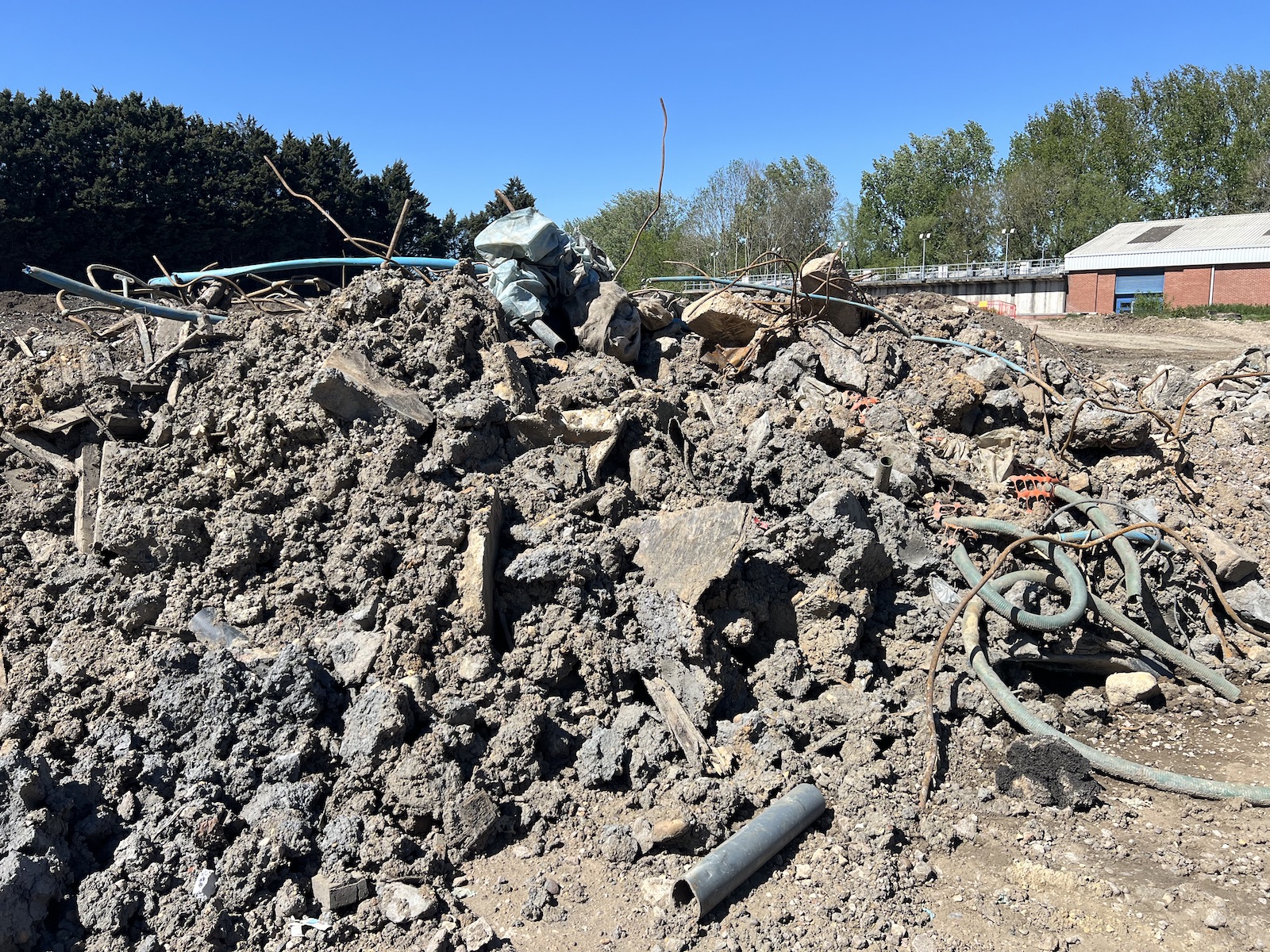
Sorted on the way out, not at the tip
Clean hardcore separated from contaminated material on site. It keeps the recyclable stone out of expensive disposal, and it means every load leaves with the right paperwork for where it's actually going.
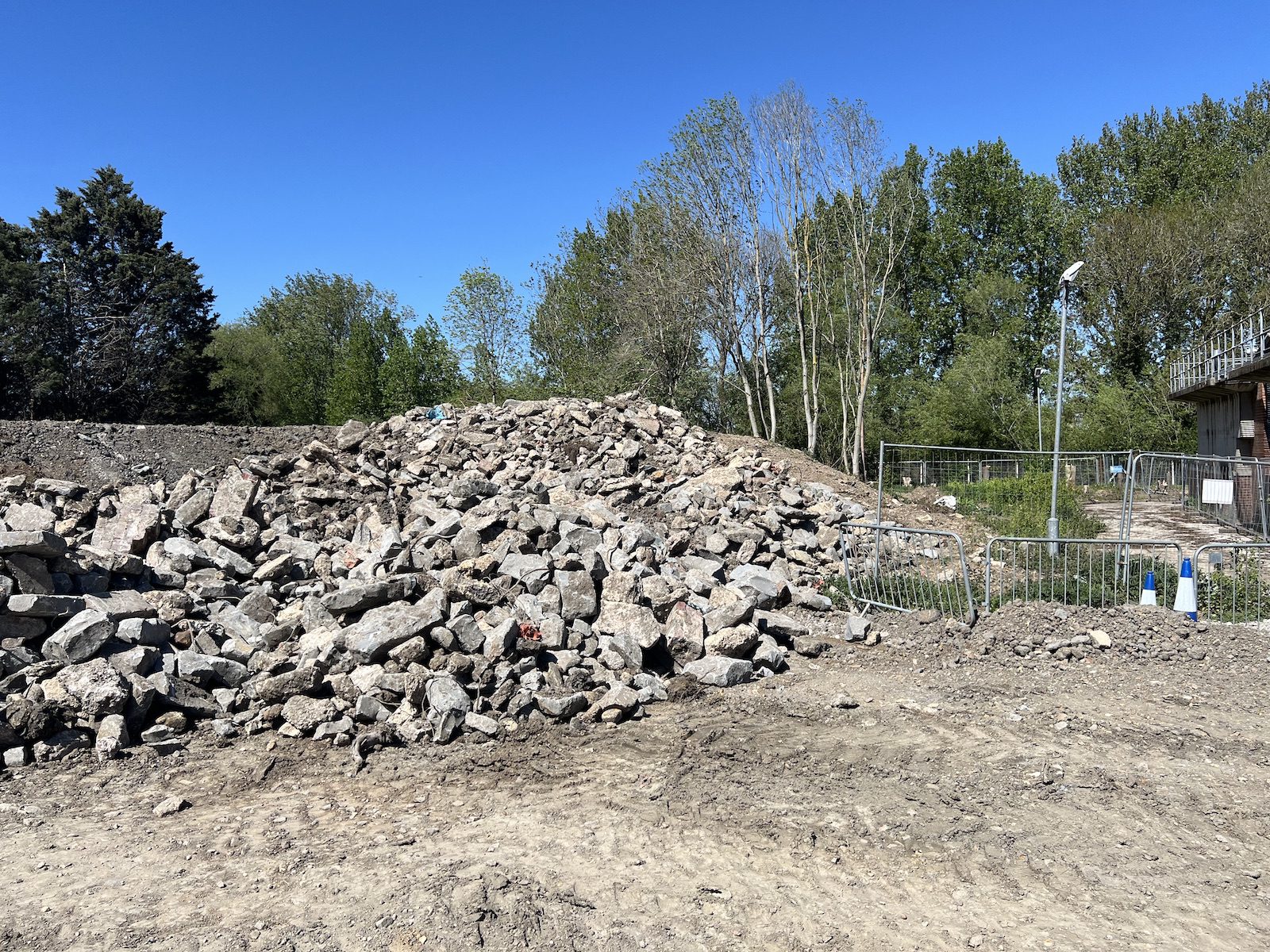
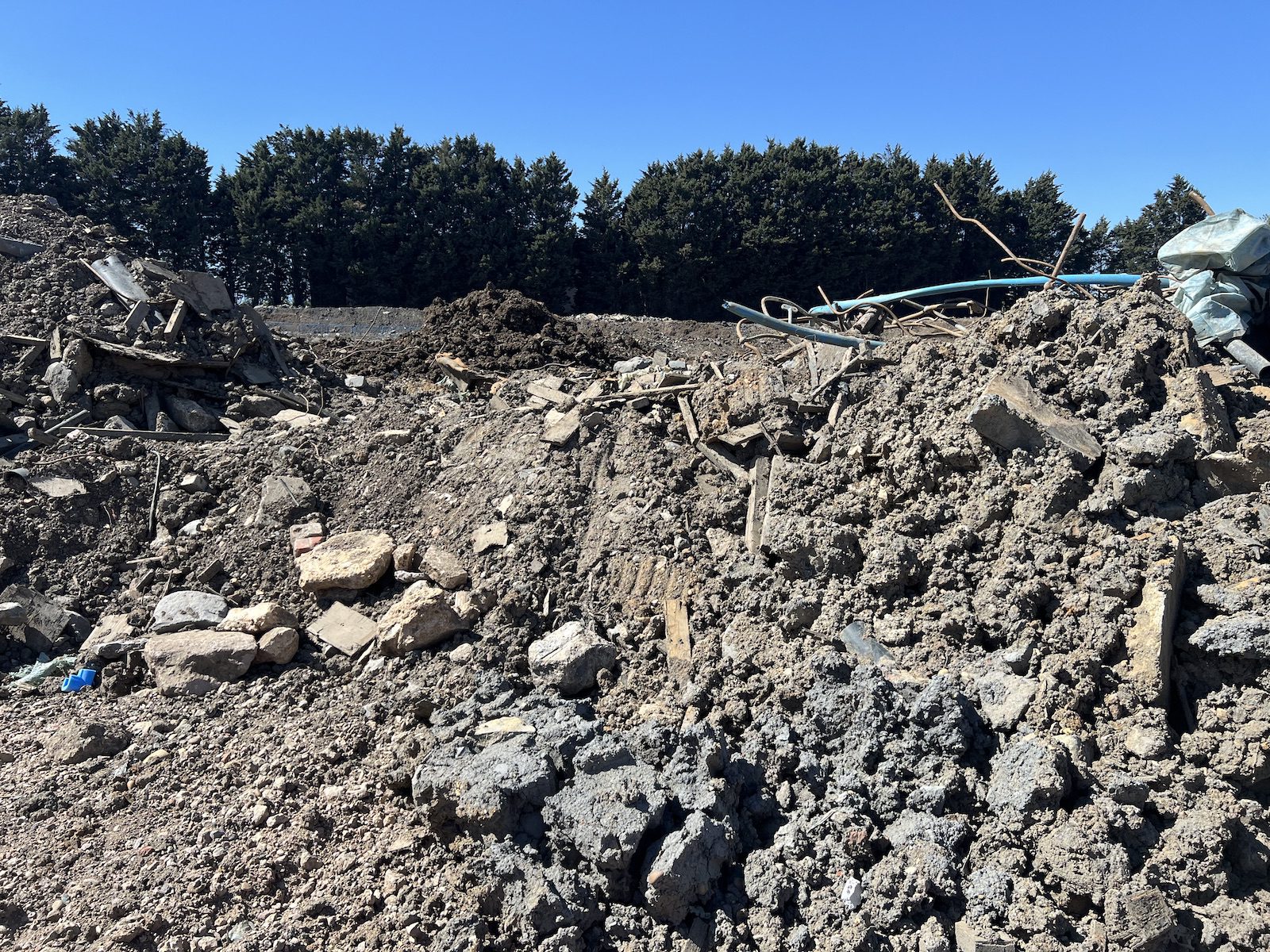
20,000 tonnes of 6F2, priced and certified
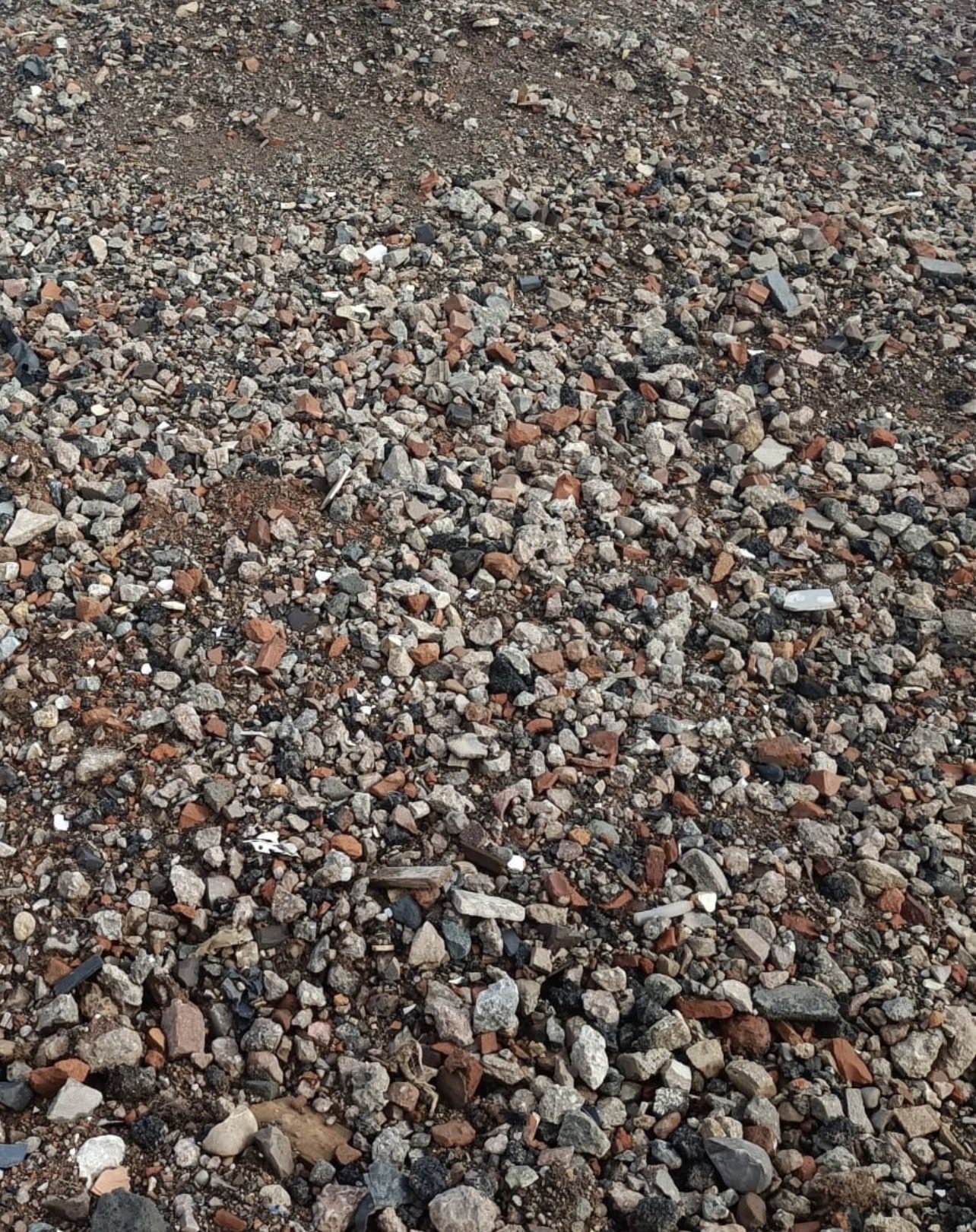
Removing the muck was only half of it. The site then needed building back up with 6F2 capping – a lot of it – on the same three-week window.
Volume like that is where being independent pays. We weren't waiting on one quarry's stock or accepting one quarry's price. We went out across the network, secured the tonnage at a fair rate, and supplied it with certificates so the material was documented and the spec stood up.
The lorries taking muck off site came back loaded with capping. Fewer empty runs, fewer vehicle movements through Coventry, and less cost on the job.
A three-week deadline, and no surprises
On a job with this many vehicle movements, the thing that goes wrong is communication – not lorries.
Every day we went through the truck movements with the site team: what went yesterday, what's moving today, what's booked tomorrow. Nobody was guessing, and nothing turned up unannounced.
That daily call is unglamorous and it's the reason the programme held. The site knew exactly what was arriving and leaving, could plan their plant and crew around it, and we could flex the schedule when the dig ran quicker than expected – which it did.
Cleared, capped and handed back with five days to spare
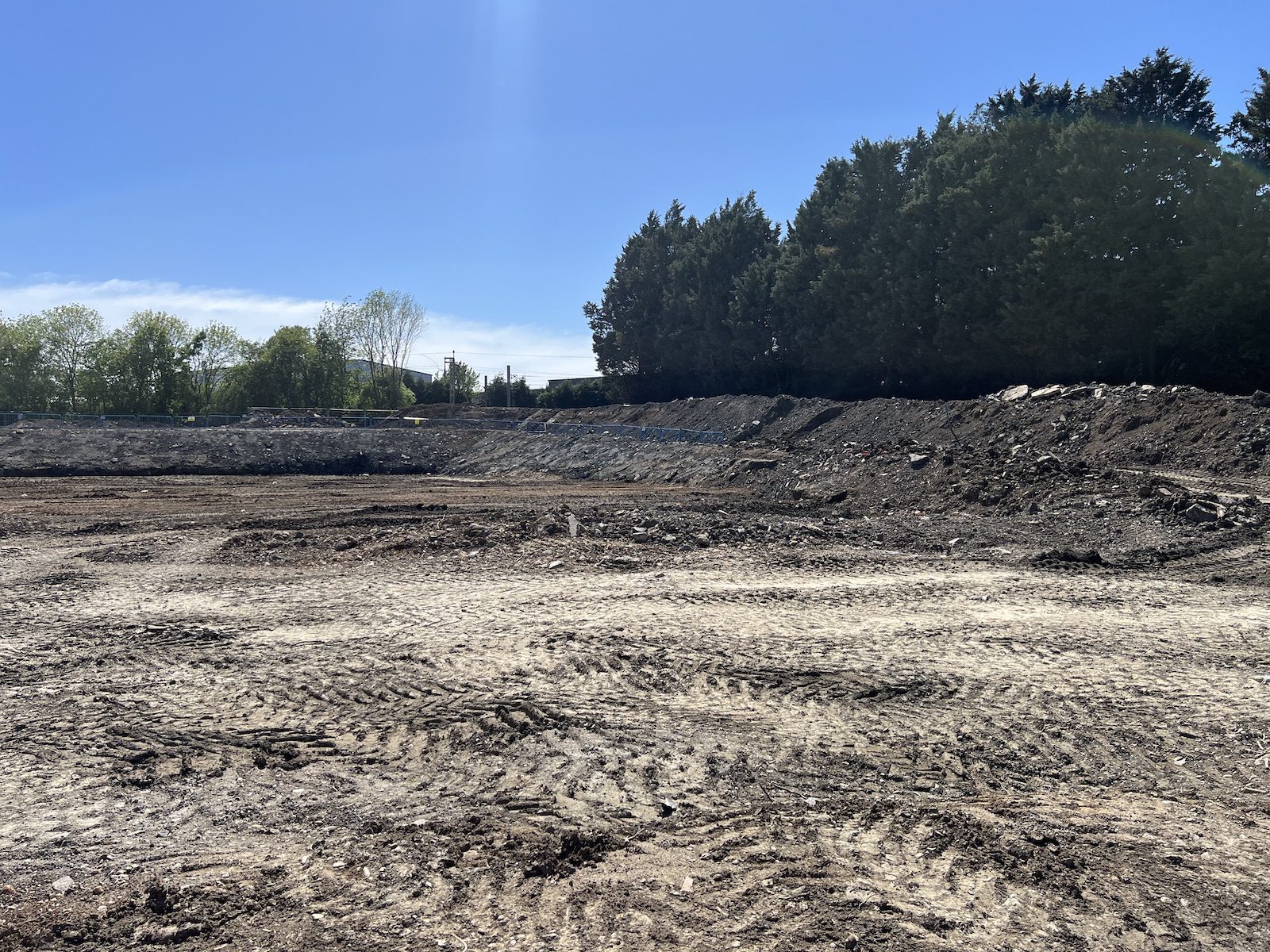
The site was stripped, the contaminated material was disposed of legally with full documentation, and the formation was built back up in 6F2 – inside a three-week programme, finished five days early.
All of it through one point of contact: the muck away, the contaminated disposal, the aggregate supply and the haulage. One number, one invoice, one team who knew the site.
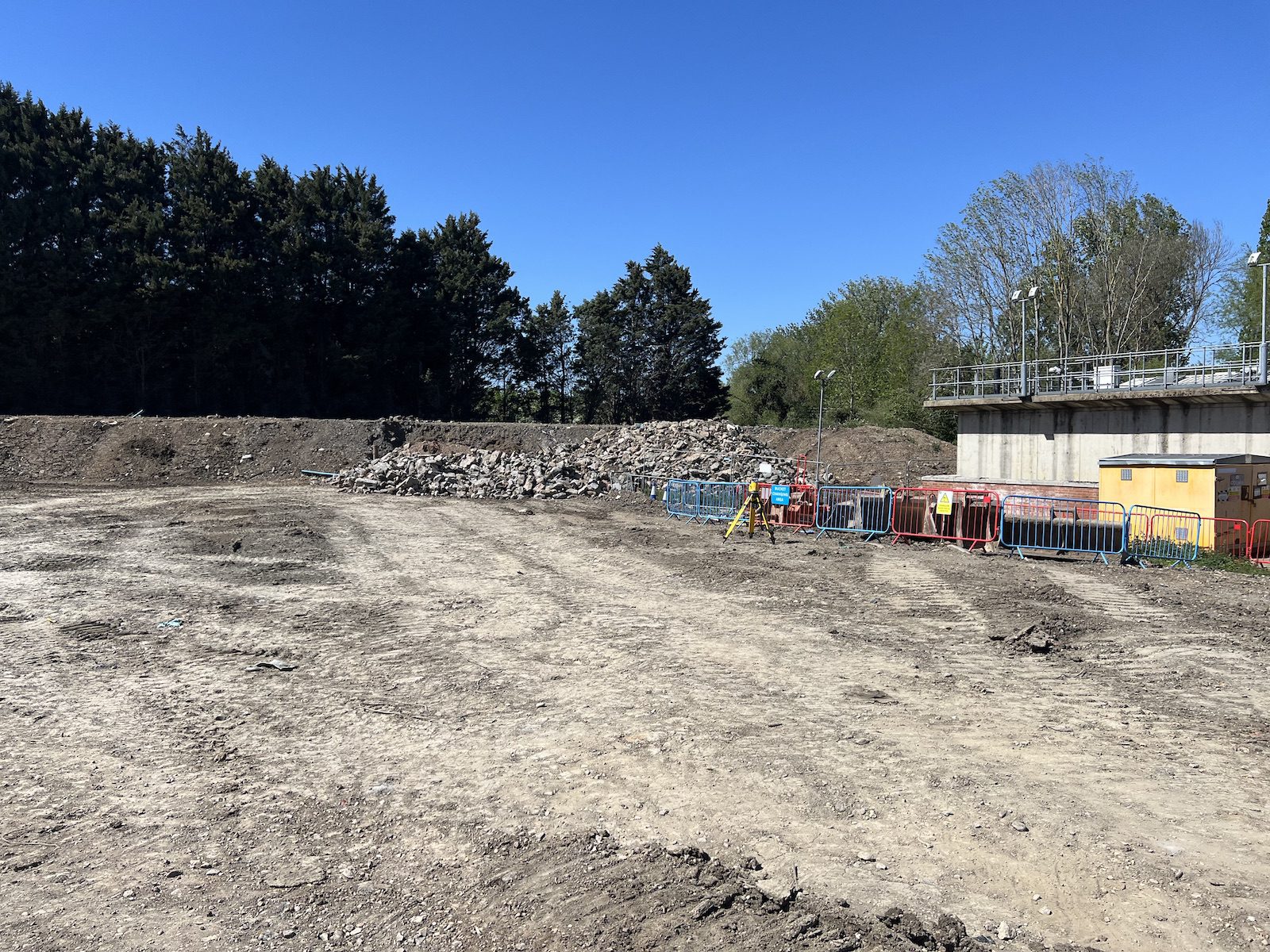
Before and after
Similar job coming up? Muck away, contaminated disposal and aggregate supply from one team.
See all services →Got a site like this?
Tell us the material, the volume, the postcode and the deadline. We'll come back with a price – usually within the hour.