Contaminated lime powder, an EA visit, and a supplier who wouldn’t move
A site was told by the Environment Agency that material on site had to go. Their existing supplier couldn’t even get out to sample it. We sampled it the next working day, classified it and disposed of it.
What was on site
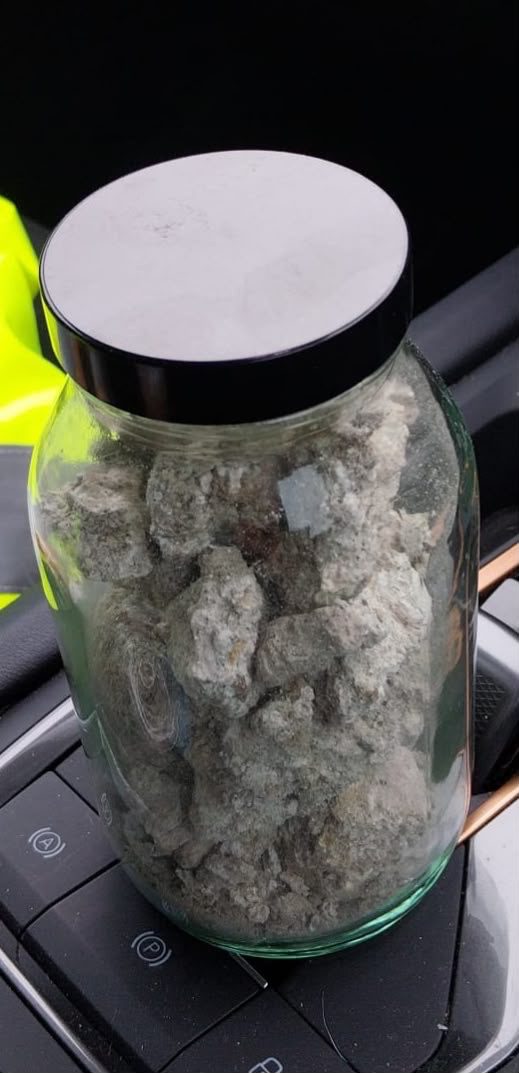
Lime powder contaminated with battery acid. Two materials that should never meet, sitting together on a site that had not planned to be storing waste at all.
An Environment Agency visit identified it and told the site it had to be disposed of. That converted a problem the site had been living with into one with a clock on it.
Why the incumbent supplier lost the job
The site already had a waste contractor. When they asked them to deal with it, the response was that it would be a while before anyone could get out to collect a sample.
That is the whole story. Not a price disagreement, not a capability gap – the material simply sat there while the clock ran, because nobody would come out and look at it.
With hazardous material you cannot quote, book a facility or move anything until you know what it actually is. Sampling is not a formality that delays the real work – it is the first piece of real work, and every day nobody comes out to do it is a day of nothing happening.
What we did
We collected a sample from site the following working day and sent it for laboratory testing. That gave the site a classification to work from, which in turn determines who can legally carry it and which permitted facility can receive it.
Guessing at that stage is how loads get rejected at the gate, or worse, end up somewhere they should not – which comes back to the producer under duty of care regardless of who moved it.
The results came back, the material was classified, and we routed it to a facility permitted to take it. The site went from being told it had a problem to having the material gone, with the paperwork to show for it.
- Sample collected from site the next working day
- Laboratory testing to establish classification
- Disposal route determined from the result, not assumed
- Material removed to a permitted facility once classified
- Full documentation for the site to show the regulator
Why it matters
Most hazardous waste enquiries we get are not people shopping around on price. They are sites that have been told something has to go, have a date, and have found that their usual contractor is not set up for the awkward material.
Being independent helps here in a way it does not on aggregates. Hazardous streams need a facility permitted for that specific material, and no single operator covers everything – so being tied to one disposal route means either turning the job away or forcing it somewhere it does not belong. We source across a network of licensed operators and match the material to the right destination.
If you have been told something on your site needs to go and you need it looked at this week rather than next month, that is the call to make.
Been told something has to go?
Tell us what it is and what the deadline is. If it needs sampling first we’ll say so – and we’ll tell you when we can be there.